

Notes from Havana (1): first impressions
The communist class system

This week I’ll be sending short dispatches from Havana—notes on what I’m seeing, snippets of conversations and (hopefully) some interesting details and asides that rarely make it into conventional articles.
This piece is free to read, but the rest will go to paid subscribers while I’m on the island. If you’d like to receive those dispatches while I’m in Cuba, you can upgrade here.
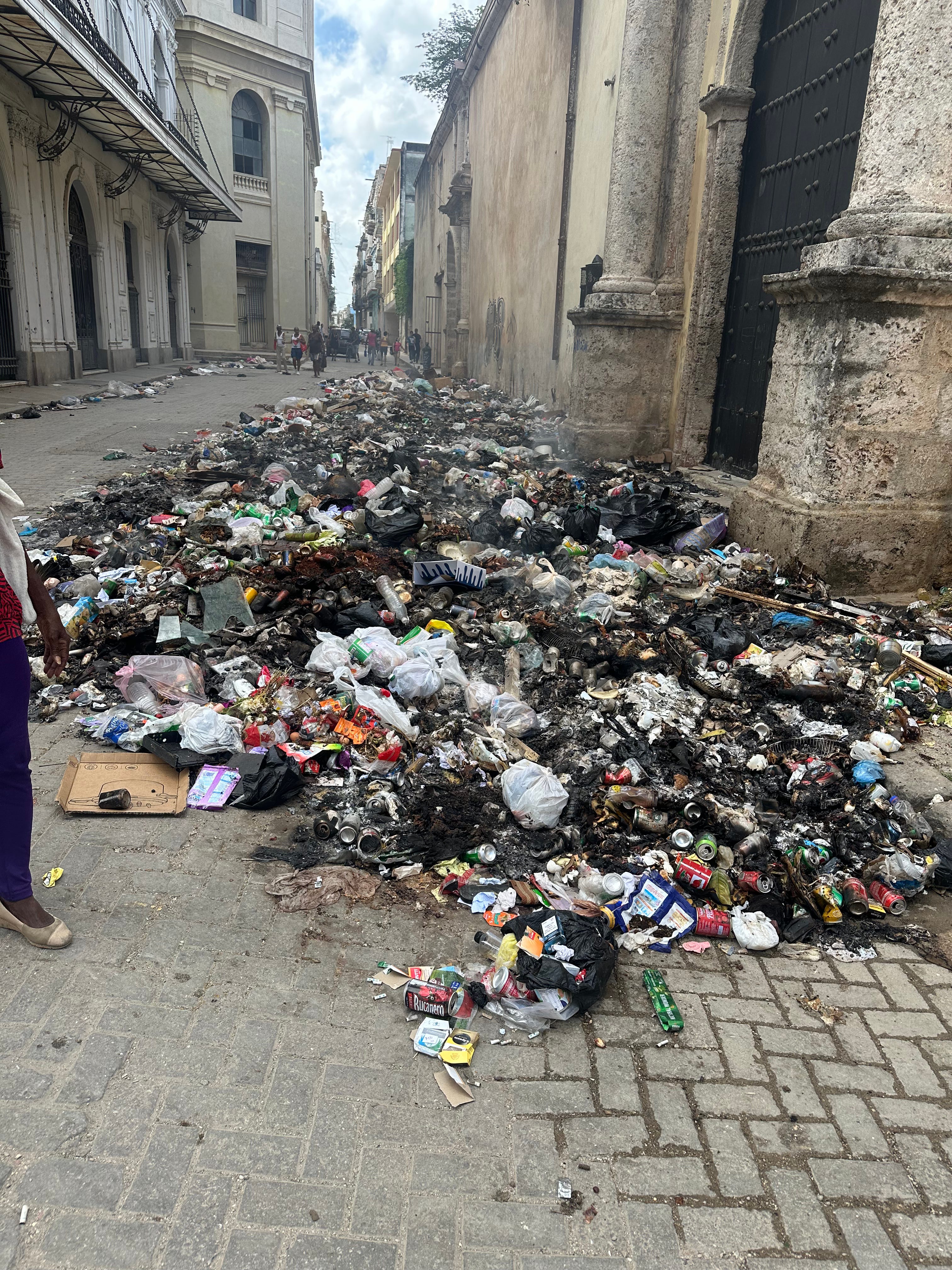
Coming into land at Jose Marti airport in Havana, few of the usual signs of life are visible from the small window of the aeroplane. The roads resemble arteries in which blood has abruptly stopped flowing. When we land, ours is the only plane on the tarmac.
The last time I visited Cuba was in the summer of 2019. Before Covid-19. Before the mass protests of 2021. Before Trump cut off the oil. Havana has always had “bustle”—a certain vibration, a joie de vivre, even amid the ever-present shortages. Today the streets are abandoned. The highways are empty, the shops closed. Even the police, in their pressed grey uniforms—a permanent fixture on every street corner in the past—are absent. The government can’t afford to pay them.
I first came to Cuba 20 years ago, in 2006. I was a communist at the time, albeit only by temperament: a raw, unorthodox socialist who wasn’t sufficiently schooled in the art of always landing on your feet (dialectics). I had, however, imbibed some of the mystique of La Revolucion and wanted to see it up close—to see what, if anything, it had to offer. To discover, as one of those platitudinous left-wing slogans has it, if another world was possible.
Perhaps it was—perhaps it is—though I didn’t find it on that trip. I did see Fidel Castro speak in the town of Bayamo in eastern Cuba on the 26th of July, the anniversary of his failed putsch against the dictatorship of Fulgencio Batista in 1953. Also my grandmother’s birthday—I think I even phoned her from inside the rally, from deep within the sweaty throng in my red Brigate Rosse (red brigades) t-shirt that had a picture of a Kalashnikov on the front. I’d never even fired a real gun.
We got up at 5am that morning. The owner of the house we were staying in politely declined our invitation to attend; being retired, he wasn’t obliged to turn up like so many others, bused in by the state to applaud on cue. The two-hour speech itself was soporific enough; may as well stay in bed rather than turn up and pretend to be awake.
It was the penultimate speech Castro ever gave as president—standing on the podium towering over everybody like a giant oak tree. He gave another later on that day before almost dying of diverticulosis on the trip back to Havana. He must have given the same speech hundreds of times before. Yankee imperialism; capitalist reactionaries; the blockade; David versus Goliath; socialism or death; venceremos! The other gringos present seemed to enjoy it at least.
Cuba today is the same but worse. The idea of Cuba is itself an misapprehension—a mirage. There are Cubas (plural). There is the Cuba of the elite. The high security compounds. The official cars. The special schools and hospitals. The international diet. The diplomatic sojourns overseas. The Cuba you don’t see, but know exists, behind the curtain.
Then there are the Cubans who have relatives in Miami or elsewhere overseas. The nouveau riche falling out of the bars and nightclubs of Vedado, clad from head to toe in Armani, Gucci, Louis Vuitton and Versace. Giant plates of steak, pork belly, chicken cordon bleu, french fries. Mojitos, negronis, Cuba Libres. Bling bling. Cha-ching.
Tourists are few and far between in Havana right now, frightened away by the blackouts and Trump’s repeated threats to “take” the island (not to mention the lack of jet fuel). The new hotels the government keeps building for them lie empty.
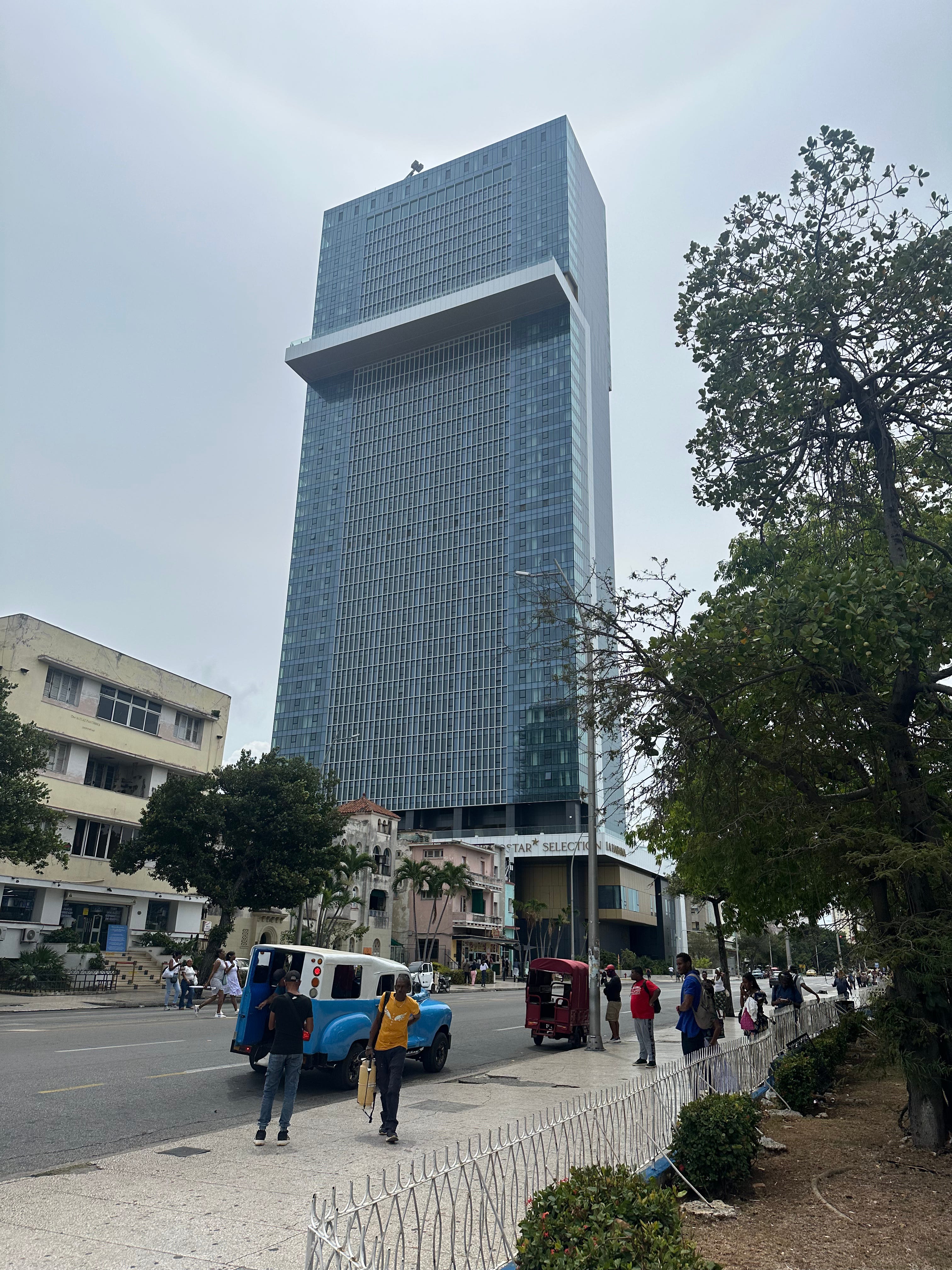
The tourists, when they do come, inhabit another reality. A tropical paradise of stupendous beaches with white sand and crystalline waters. The Hemingway bar. La Fábrica de Tabacos. Air conditioning. Sightseeing in pink and yellow Cadillacs. The willowy mulattas who make them feel young again as they knock back strawberry daiquiris and chew on Cohibas.
The Cubans go along with it. You would too were you in their shoes. Hunger clarifies. What’s a bit of mottled flesh in exchange for a full stomach and—if they’re really gone on you—a ticket out of here? Better than sitting in an inner tube hoping to bob your way to Florida. “Revolutionaries, forever young,” proclaims a government billboard in Havana (one of many). Forever young but not for the young. For the sexagenarian tourists and the nonagenarian politburo. Young Cubans grow old waiting for their turn to come.
It’s dispiriting to be constantly hit up for money. Everyone you go, you sense a pair of eyes sizing you up. It’s the only time a tourist really gets an insight into what it’s like to be a Cuban: to feel as if you’re always being observed. The routine gets tiresome quite quickly, but what can you do. “Where you from? England? You want taxi, cigars? I can get you beautiful Cuban girl”. No necesito nada, gracias.
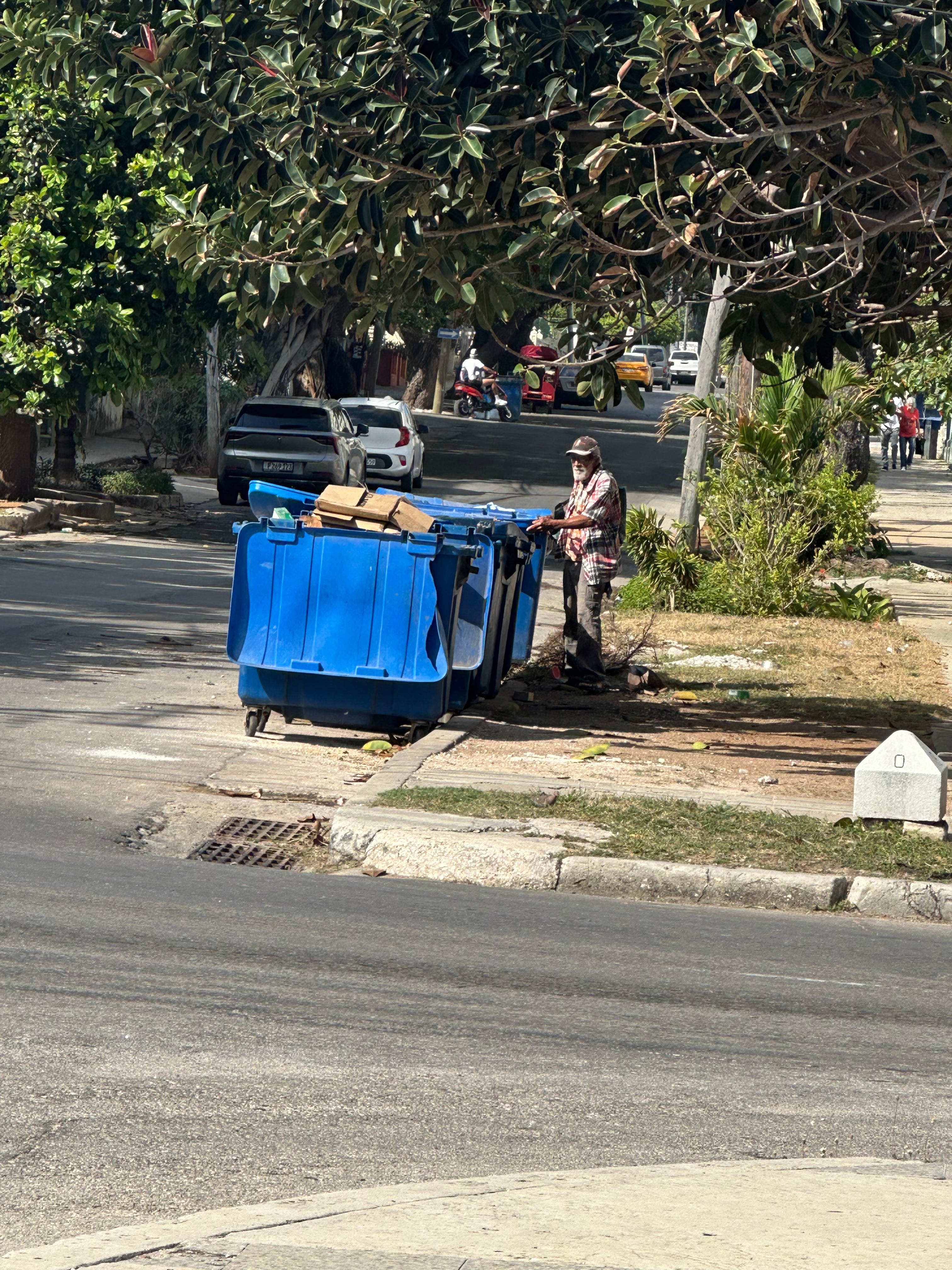
You could say that communism really has “never been tried” in Cuba, because it’s pure dog eat dog. In the bureaucracy, everything depends on mutually-reinforcing relationships of patronage and clientelism. Down below, where the stakes are higher, you need some kind of benefactor overseas. For those without that, shaking down a dwindling number of tourists is all that’s left—selling whatever you have; selling yourself; playing the game. It’s a young person’s game. You wouldn’t want to grow old here.
Flavoursome writing, James.
That kind of poverty is international and, while less visible in much of Europe where healthcare is at least affordable, it is a permanent feature of the American landscape. I’ve spent a lot of time in tent cities across the United States. Trump may not want to see them in Washington, but the much-trumpeted “relocation” of unhoused people never really happened. They were simply moved on, dispersed, made harder to count and in some cases impossible for outreach workers to find again. In Cuba, people are poorer for the failures of both communism and capitalism. What sticks in the craw about communism is that it was at least founded on the promise of fairness. Capitalism in its current feral form has no such moral basis.
Here's a fundraising link to buy solar panels and send them to Cuba, to help them withstand the oil blockade and general embargo. I was sent it by a Cuban contact of mine, and I've sent them €150 myself so far.
https://www.letcubalive.info/
Both proponents AND critics of Cuba's system need to put their money where their mouth is, and tangibly help the Cuban people, by donating, sharing fundraisers & solidarity groups, and organising around getting the economic embargo and fuel blockade lifted. Without those things, everything else is intellectual and moral posturing.