

This week and next I’ll be sending short dispatches from Havana—notes on what I’m seeing, snippets of conversations and (hopefully) some interesting details and asides that rarely make it into conventional articles.
If you’d like to receive those dispatches while I’m in Cuba, you can upgrade here.
This week the Cuban government released two new monetary denominations—2,000 and 5,000 peso bank notes. It’s a measure presumably introduced to prevent Cubans from turning up to stores with wheelbarrows full of cash, which is where things are currently heading. When I was here in the 2010s, one dollar would get you around 24 Cuban pesos. This week the rate reached a record high of 524 pesos to the dollar.
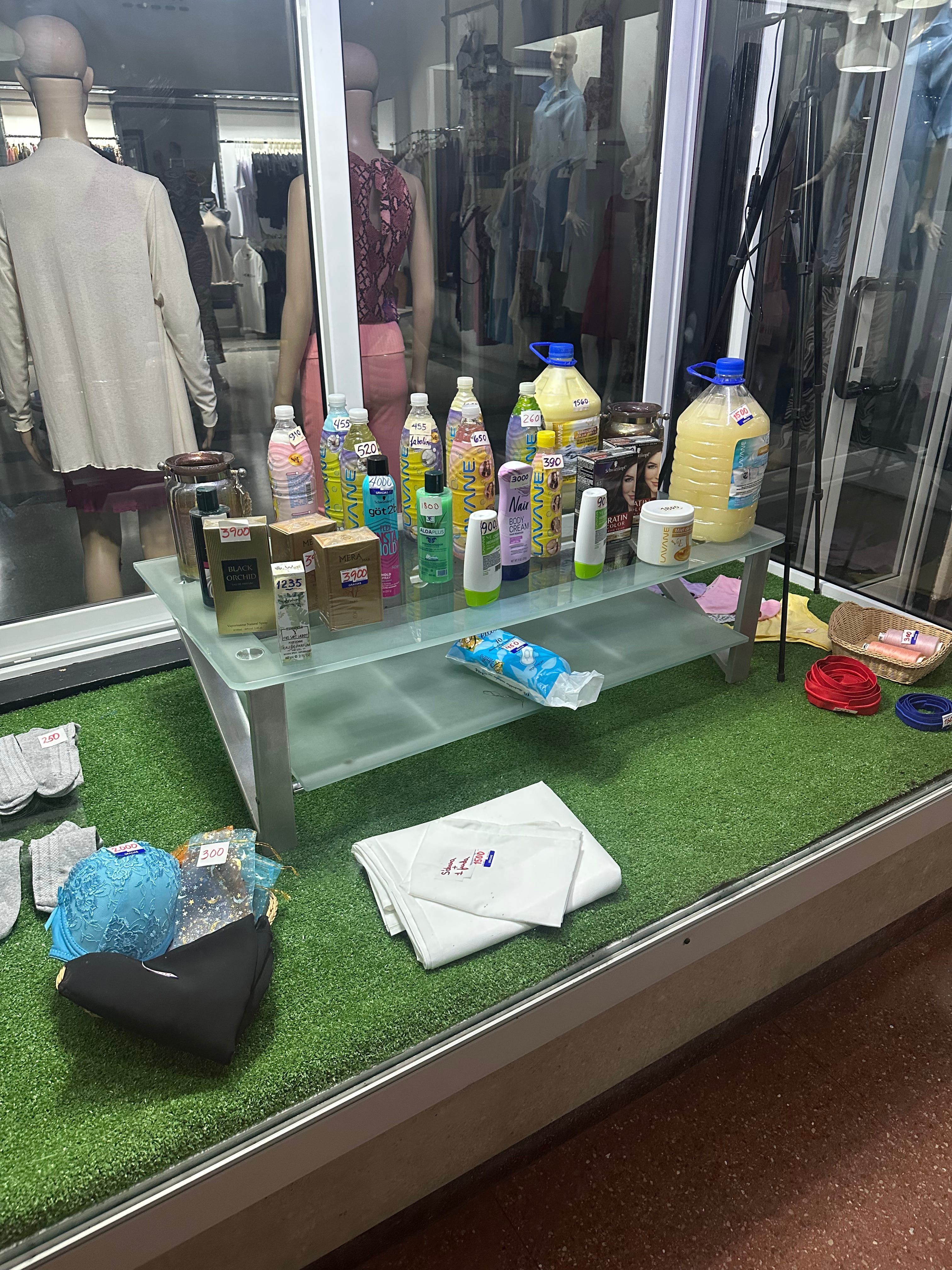
A few days ago a Cuban friend, as we walked around the city, would stop me whenever we reached the window of one of the big department stores. He would point incredulously at some of the things on the other side of the glass. He works as a bartender and earns about 200 Cuban pesos (CUP) a night (less than 50 cents). If he wants to buy, say, a pound of rice from the numerous well-stocked markets, that will cost him nearly a day-and-a-half’s salary (between 250 and 350 CUP per pound).
In the past, apologists for the Cuban government would point to the monthly ration book (the Libreta) whereby Cubans received a basic food basket. But since Raul Castro succeeded Fidel in 2008 the ration book has been gradually reduced. Today it supplies, on average, only enough for the average Cuban to subsist on for at most about two weeks, if scrimping. Certain everyday items, such as toothpaste and shampoo, have been removed from the ration book altogether. Today, because of rampant inflation, a tube of toothpaste can cost as much as 600 Cuban pesos—15 per cent of the average monthly salary. To put that in a UK context, that’s the equivalent of someone on an average salary having to spend £315 on a single tube of toothpaste.
Annual inflation at the end of last year was 14 per cent. It peaked at 77 per cent in 2021. Meanwhile, gross domestic product has declined by 15 per cent since 2020. The social contract, which generated a degree of mass support for the revolutionary government in the 1960 and 1970s, has disintegrated. “Hunger, filth, and need,” is the reality for many people on the island today, as one Cuban woman summarised it in a recent video shared on Cubanet. One 60-year-old Cuban I spoke to has to work two jobs—one as a tour guide and another as a teacher—in order to take home 9,000 Cuban pesos a month—enough, he told me, to eat a single meal a day.
There’s no guarantee you will have access to your money. Many ATMs in Havana don’t work, and those that do often run out of cash extremely quickly. Have you ever waited for four or five hours in line at a cashpoint? Me neither. But plenty of Cubans have.
Against this backdrop, much of the real economy in Cuba operates in the shadows. There is no relationship between supply and demand. And where the government fails to deliver, the black market steps in. As a recent article for CiberCuba phrased it, “Regulated prices don’t work because there are shortages and insufficient production, which makes real market prices much higher than officially permitted. This leads to inflation, which the government tries unsuccessfully to control with restrictive measures.”
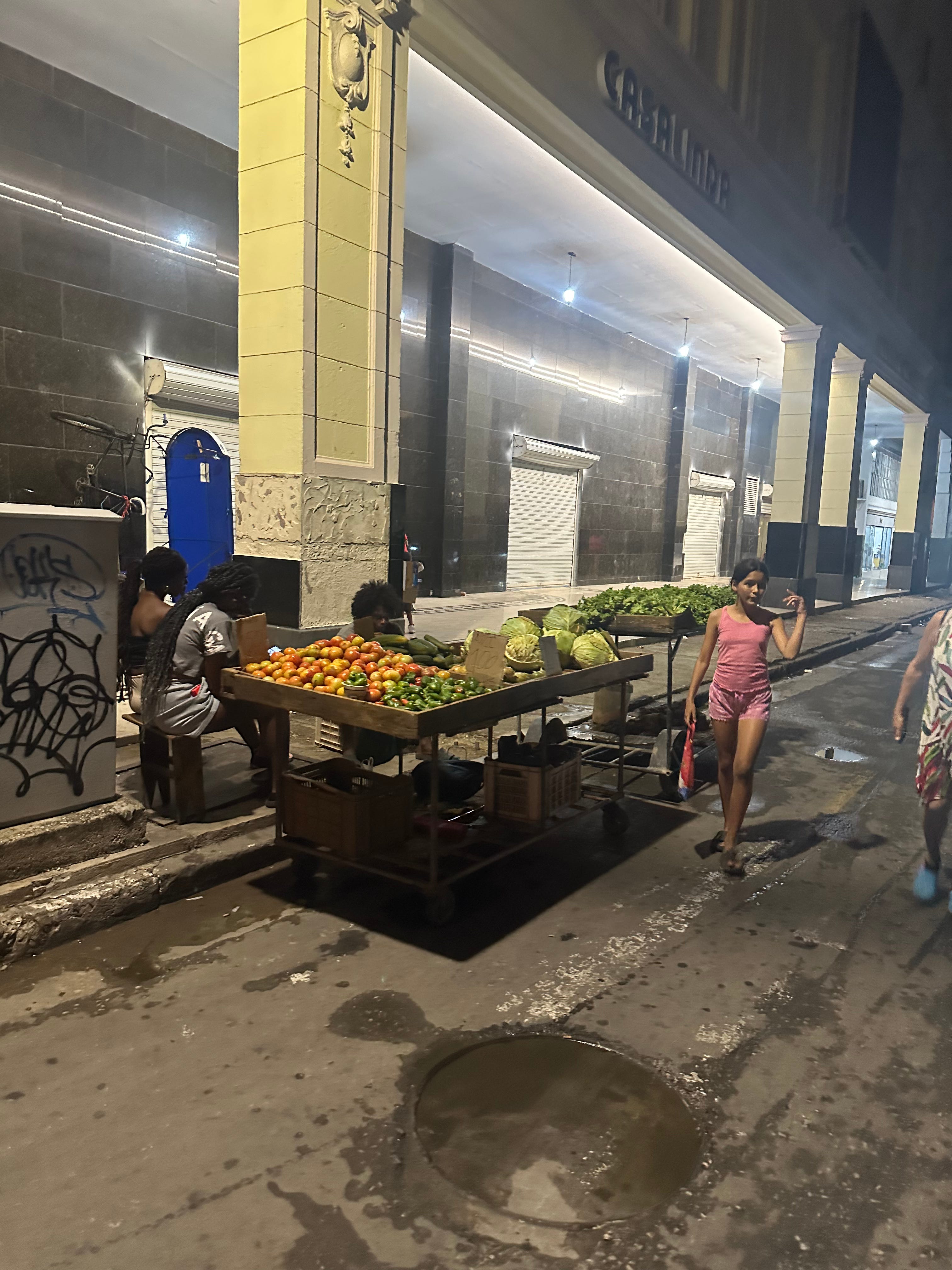
I don’t want to minimise the impact of the long-standing American trade embargo, nor Trump’s full on blockade of the island. Central Havana is currently experiencing blackouts of five to six hours everyday, as I witnessed when I went for a walkabout there this evening.
The decision by the US government to block oil shipments to Cuba has resulted in daily life grinding to a halt. It is also having a direct impact on the distribution of humanitarian aid. The UN Resident Coordinator in Cuba, Francisco Pichón, has warned that 170 containers of essential humanitarian products that have already arrived in Cuba are not reaching people due to the fuel shortage.
The thinking among Trump and secretary of state Marco Rubio is not dissimilar in at least one respect to the Stalinist regime they wish to topple: you can’t make on omelette without breaking eggs. The omelette in this case is the Cuban real estate coveted by many Americans (including Republican members of Congress). Amid all the canting talk from Washington about human rights on the island, it is worth remembering that it was the Agrarian Reform Law of May 1959 (whereby tracts of US land were given to Cuban peasants) that first prompted the Americans to seek to overthrow Fidel Castro. To this day the United States enjoys cordial relations with numerous regimes with abominable human rights records. But with those countries is can conduct profitable business. Not so with Cuba, which is really the crux of the matter when it comes to right-wing animosity toward the island.
But blame for the dire economic situation must also be laid squarely at the door of the Cuban government. Much as it did in the Soviet Union and the former Eastern Bloc countries, the bureaucratic command economy translates in practice as centralised management of systematically induced shortages.