
When the past suffocates the present
King Charles and the illusion of British “soft power”

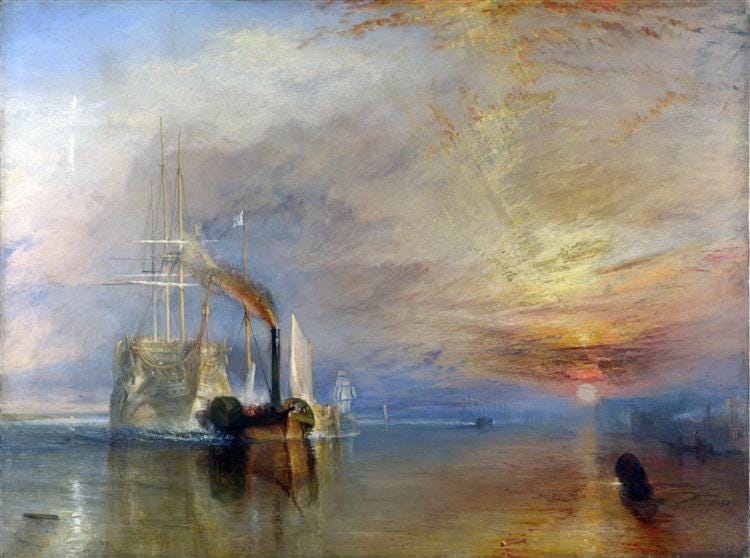
King Charles’s state visit to the United States this week has revived familiar talk of the “special relationship” and the soft-power benefits Britain supposedly derives from royal pageantry. These discussions are usually accompanied by boasts that Britain “punches above its weight” thanks to traditions tied, not too subtly, to hereditary monarchy.
It is one of those things readily assumed—largely because soft power and influence are extraordinarily difficult to measure. And so what we get instead is an endless parade of royal correspondents talking up the supposedly magical effects of pomp and ceremony on the King’s American hosts. “Donald Trump loves monarchy,” I have heard more than one excited BBC journalist tell viewers.
Naturally he does—and he is not alone. A section of the American public retains a fascination with all things royal and aristocratic. The “special relationship” is based, at least in part, on an idea of Britain that ceased to exist perhaps a century ago. A country of bowler hats, delicate manners, royal garden parties and Winston Churchill (considering the current US administration’s reluctance to help Ukraine, even Churchill has seemingly been reduced to a serviceable caricature).
Nostalgia weighs particularly heavy on British politics at the present time. If the old are acting as a fetter on the young, it is not only for material reasons. They also seem to want to preserve in aeternum an idea of Britain—i.e. the Britain they grew up in. Hence the endless jeremiads one sees on social media (Facebook in particular) about the “good old days”.
Typically these memes of national decline are suffused with nostalgia for an imaginary country of the past. The “good old days” of milk floats, privet hedges, clipped lawns, bad food, cold showers, copper boilers, chip butties, the cane. “WHO REMEMBERS THE SUNDAY NIGHT TIN BATH BY THE FIRE?” The themes are nearly always the same. Humiliation was character building, violence was an acceptable form of moral instruction and emotional repression was a part of growing up. Underlying it all is contempt for contemporary “softness” and a thinly disguised regret over the disappearance of traditional hierarchies. Much of it is now, ironically, churned out by A.I.
Nostalgia is, among other things, a demand that other people live inside your memories. It requires that the young exist in a state of suspended animation. In contemporary Britain, the young are expected to inhabit the world of the old—even if, ironically, the latter are increasingly part of a generation (the sixties cohort) who once sought to overturn every last vestige of their parents’ authority. Crucially, it is a generation that assumed it would never grow old and therefore never relinquish cultural primacy. Obviously this is a gross simplification, but I suspect it is not altogether far from the truth.
The preponderance of cloying, often sub-literate nostalgia here at home arguably makes it easier to identify another closely related variant emanating from the United States. According to the American president and his supporters, Britain is “unrecognisable” and experiencing “civilisational erasure”. Any praise they do have for Europe is couched in the language of loss and wistfulness. In April American Vice President JD Vance said he “loves Europe”—albeit not the Europe that Europeans actually inhabit so much as a “European civilisation” he wants us to “preserve” in aspic.
Today, once again, we hear another chorus of uplift about the King’s “charm offensive” on his state visit to the US. Presumably the thinking goes that, by playing up to the stereotypes that Trump has about Britain, he will ensure the survival of the “special relationship”. It is the politics of good feeling: practical outcomes dissolved into vibes.
Yet what does all of this pandering add up to in practice? Very little, except to our home grown reactionaries who also long to resurrect a vanished world. Trump’s previous state visit to the UK last year was accompanied by an enormous amount of pageantry—rides in horse-drawn carriages, lavish banquets beneath sparkling chandeliers and the carefully choreographed rituals of royal deference. Yet it produced no discernible benefit to the British people. Shortly after returning to the US, Trump berated the prime minister, threatened to invade Greenland and ridiculed British soldiers who had died in American wars. So much for soft power!
The thing about idealisation is that those on the receiving end are often denied the right to change. Donald Trump, JD Vance and Co have an idea of Europe largely uncoloured by any interest in the people who live there, who are expected to play their allotted role in the neo-pessimist worldview. Indeed, Europe as it actually exists provokes little short of revulsion on the radical right.
That British monarchists should wish to exaggerate the influence of the Crown is hardly surprising. Yet no country can live indefinitely on borrowed grandeur. The King will buttress Trump’s ego and he will go on being Trump—someone for whom “history” is little more than a succession of present moments.
If it is wrong for the old to act as fetters on the young, surely it is no less wrong for a former imperial power to be pushed around indefinitely by its successor. You might say we have become victims of our own heritage industry.
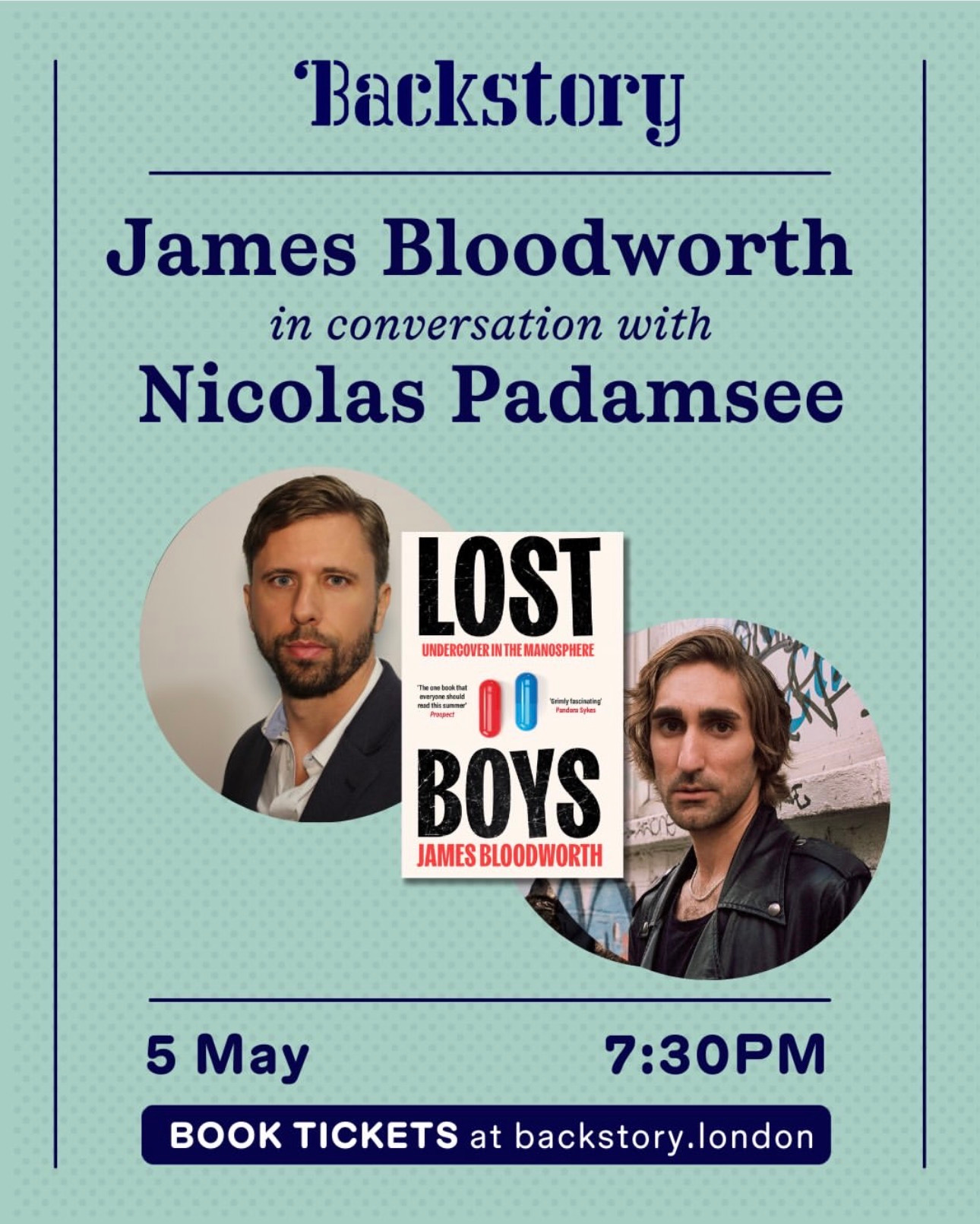
I will be talking about my latest book Lost Boys at Backstory bookshop on 5 May with the novelist Nicolas Padamsee (author of the brilliant book London is Mine). If you are interested in coming along, tickets can be purchased here.
I think that Trump's, and by extension the American "Libertarian" Right's, fascination with monarchy is far darker than just kitschy nostalgia for vintage Brittan. Many figures funding the populist-right have sympathies with Curtis Yarvin and the Neo-Reactionary movement; Said movement's goal is to "undo the enlightenment era" by destroying American democracy and replacing it with corporate feudalism.
I’ve always considered “the special relationship” as something of a euphemism. It is essentially the changing times of colonial empires in the 20th century, the decline of British pomp coinciding with growing American imperialism. Best illustrated when the respective POTUS calls on Britain for its assistance and manpower in conflicts they themselves initiate - the invasion of Iraq and Afghanistan following 9/11, and likewise Iran today. The term reached something of a zenith in the 1980s when “special relationship” had people speculating whether there was a more intimate nature to the friendship between Reagan and Thatcher, and arguably the wholesale commodification of British industry into sellable chunks to echo the “greed is good” ethos of post-industrial America. As for the soft power of our Monarch, it seems a particularly egregious attempt to flatter what is even by American President standards the most easily flattered and childlike of White House occupants.